
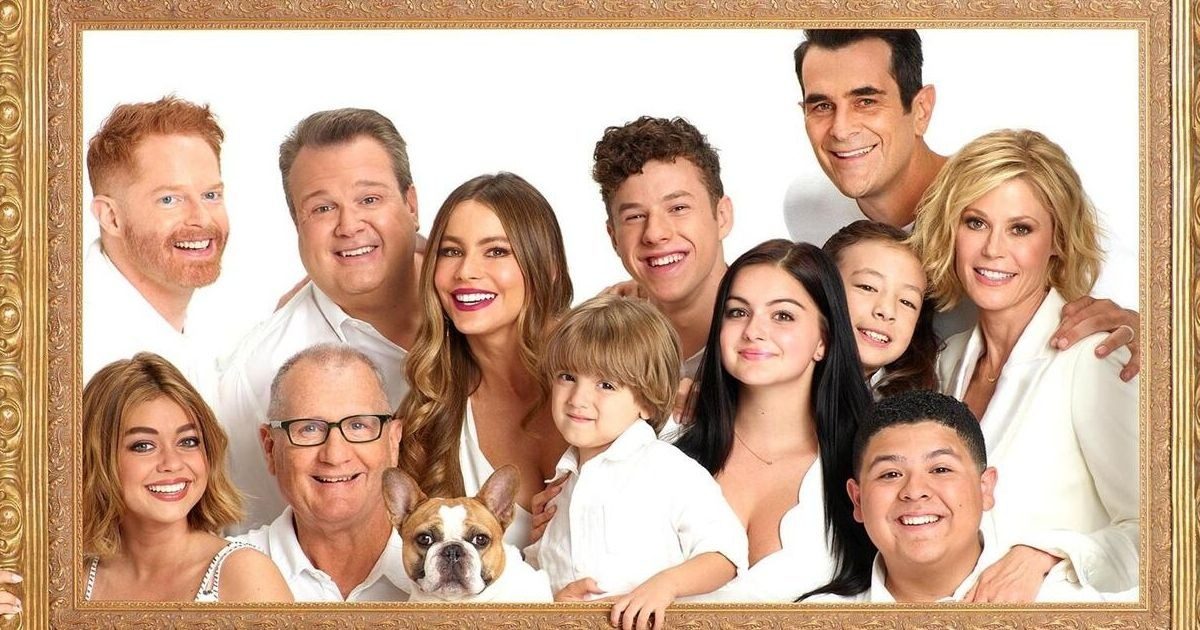
Modern Family Shop: Inside the TV Show That Changed Sitcoms
When the sitcom “Modern Family” first aired, it didn’t just add another family comedy to the TV lineup—it reshaped how sitcoms are written, filmed, and received. The show’s clever blend of mock‑documentary style, intergenerational humor, and heartfelt storylines set a new benchmark for television comedy. In this article, we step inside the Modern Family Shop, exploring the creative choices that turned a simple family sketch into a cultural phenomenon that still influences sitcoms today.
Inside the Modern Family Shop Phenomenon
The term Modern Family Shop has become shorthand for the collaborative environment that birthed the series. Creator Christopher Lloyd and co‑creator Steven Levitan assembled a team of seasoned writers, directors, and producers who shared a love for both classic sitcom structures and modern storytelling techniques. Their “shop” was a hub of ideas where sketch comedy roots met heartfelt drama, allowing jokes to land while characters grew emotionally.
This unique atmosphere encouraged improvisation, a technique that gave actors space to experiment. The result was spontaneous humor that felt genuine—an essential trait that distinguished the series from scripted competitors. By fostering an open, creative shop, the team built a sitcom that was both fresh and relatable.
Characters That Redefined Comedy
At the heart of Modern Family’s success are its unforgettable characters. Each family member represents a distinct comedic style: the sarcastic wit of Phil Dunphy, the deadpan cynicism of Claire, the quirky optimism of Mitchell, and the endearing cluelessness of Cameron. These personalities intersect in ways that keep audiences laughing and reflecting on real family dynamics.
The show’s writing shop placed a strong emphasis on character-driven jokes rather than punchline‑first humor. This approach allowed story arcs to evolve naturally, giving viewers a chance to see growth over multiple seasons. By focusing on character depth, Modern Family became more than a series of laugh tracks; it became a study of modern relationships.
Impact on Modern Sitcoms
Since its debut, Modern Family has left an indelible mark on television comedy. Its mock‑documentary style inspired a wave of shows that blend reality with scripted humor, such as “The Office” and “Parks and Recreation.” Moreover, the series proved that a sitcom could tackle serious topics—adoption, same‑sex marriage, and aging—without sacrificing laughs.
Networks took note of the Modern Family Shop’s collaborative success and began investing in writers’ rooms that encourage diverse perspectives. This shift has led to richer, more inclusive storytelling across the genre, proving that the show’s influence extends far beyond its own episodes.
Legacy and Continued Influence
Even after its final season, the legacy of Modern Family remains strong. Reruns continue to attract new fans, and streaming platforms see consistent viewership numbers. The show’s approach to ensemble casting and character arcs has become a template for creators looking to blend humor with heart.
Future sitcoms still echo the principles established in the Modern Family Shop: authentic dialogue, a willingness to tackle contemporary issues, and a dedication to character growth. As television evolves, the blueprint set by this groundbreaking series ensures that comedy will remain both witty and meaningful for generations to come.
In conclusion, the Modern Family Shop not only produced one of the most beloved sitcoms of the 21st century but also redefined how comedy can be crafted, performed, and enjoyed. Its impact on modern sitcoms is unmistakable, and its influence will continue to shape the television landscape for years ahead.