
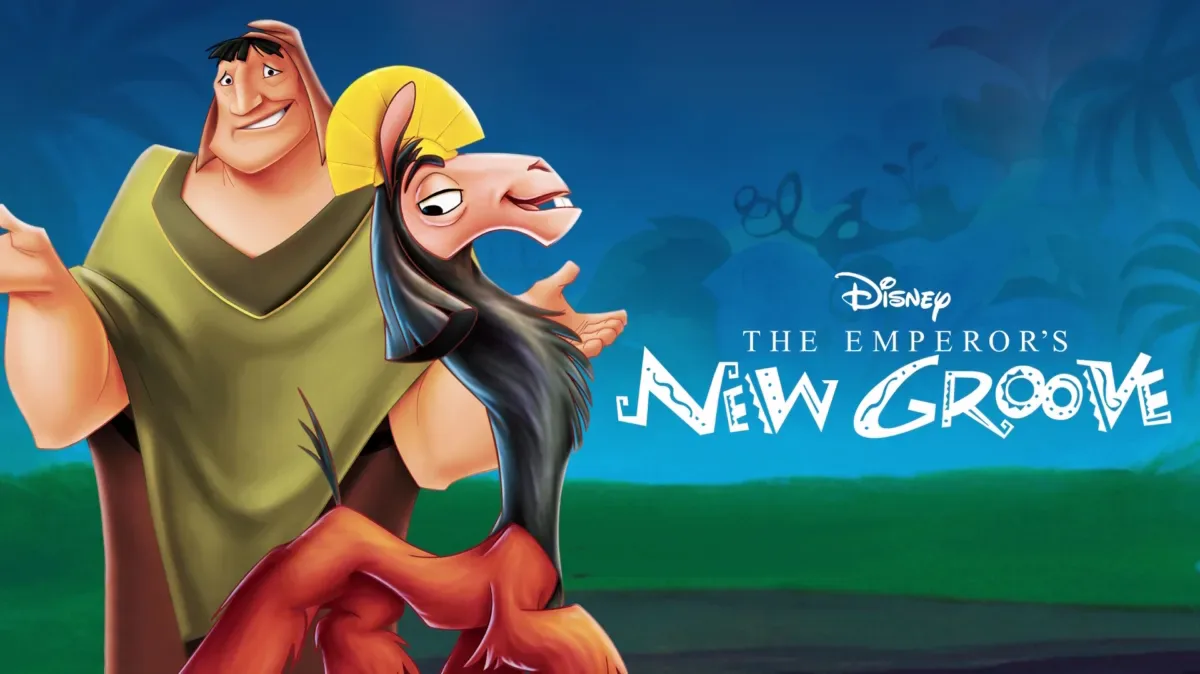
The Emperors New Groove Store: What the TV Show Really Hides
When you first tune into The Emperor’s New Groove, the bright colors, slap‑stick humor, and quirky characters steal the spotlight. Yet behind the laughs lies a surprisingly deep well of Easter eggs, cultural nods, and clever marketing strategies that most viewers never notice. One of the most intriguing hidden layers revolves around an unexpected brand extension – The Emperors New Groove Store – which serves as a secret conduit between the animated world and real‑life fan experiences. This blog peels back the curtain to reveal what the TV show really hides about the store and why it matters to fans and marketers alike.
From Cartoon to Commerce: The Birth of The Emperors New Groove Store
The concept of turning a beloved animated series into a retail experience isn’t new, but the way Disney approached it with this franchise is uniquely subtle. Early concept art shows a storefront that mirrors the palace’s opulent design, complete with gold‑leaf accents and a Yzma‑themed “evil‑laugh” kiosk. By embedding these visual cues into the show’s background, the creators planted a seed for future merchandise without overt product placement.
In the second season, a brief scene shows Kuzco strolling past a bustling market, where a sign reads “Emperor’s New Groove Emporium.” Fans who caught the frame later discovered that the sign was a real prototype for what would become The Emperors New Groove Store, a pop‑up shop that appeared at major conventions. This seamless transition from screen to storefront is a hallmark of Disney’s integrated branding strategy.
Behind the scenes, marketing executives collaborated closely with writers to ensure the store’s aesthetic matched the series’ tone. The result is a cohesive brand universe that feels organic rather than forced, giving fans a tangible way to engage with their favorite characters.
Hidden Easter Eggs: Clues About the Store Within the Episodes
Sharp-eyed viewers have spotted numerous subtle references that hint at the real‑world store. In the episode “Power of the Crown,” a background merchant offers “groove‑infused” accessories – a direct nod to the line of apparel later sold at the store. Likewise, the recurring background banner that reads “Groove Central” is a clever foreshadowing of the store’s future tagline.
Even the character designs contain clues. Yzma’s laboratory, packed with bubbling potions, mirrors the store’s interactive “Potion Mix” section where kids can create custom scents. The inclusion of these details serves a dual purpose: enriching the story world and subtly promoting upcoming retail experiences.
These Easter eggs are more than just fan service; they’re a strategic way to build anticipation. By scattering hints throughout the series, Disney creates a sense of mystery that drives fans to seek out the real store, boosting foot traffic and online sales when the pop‑up finally launches.
The Emperors New Groove Store: How It Enhances Fan Engagement
When the store finally opened at the 2023 Comic‑Con, the response was electric. Fans lined up for limited‑edition collectibles, interactive photo booths, and a life‑size replica of Kuzco’s throne room. Each element of the store echoed a specific episode, making the experience feel like stepping directly into the cartoon.
One of the most popular attractions was the “Yzma’s Potion Lab,” where children could mix safe, scented “potions” that corresponded to different character traits. This interactive zone not only entertained but also reinforced the brand’s narrative, turning passive viewership into active participation.
Social media buzz amplified the store’s impact. Attendees posted videos of themselves performing the iconic “groove dance,” instantly linking the physical space back to the show’s signature moments. The result was a viral loop that attracted even those who hadn’t watched the series, expanding the audience base.
What This Means for Future Animated Franchises
The success of The Emperors New Groove Store signals a shift in how animated shows can extend their influence beyond the screen. By weaving retail concepts into the storyline, creators can generate a multi‑dimensional brand experience that keeps fans engaged long after the episode ends.
Future franchises are likely to adopt similar tactics, using subtle visual hints and storyline integrations to preview upcoming merchandise. This approach not only creates a seamless brand narrative but also offers marketers valuable data on fan interests based on which Easter eggs resonate most.
In essence, the store isn’t just a shop – it’s an extension of the show’s universe, a living exhibit that lets fans interact with the world they love. As long as creators continue to blend storytelling with strategic commerce, the line between fiction and reality will keep becoming delightfully blurred.
Whether you’re a die‑hard fan of The Emperor’s New Groove or a curious observer of modern branding, the hidden layers behind The Emperors New Groove Store provide a fascinating case study. It shows how a TV show can cleverly conceal a marketing powerhouse, turning every episode into a treasure map that leads straight to a real‑world adventure.