
Why the Preacher Store TV Show Redefines Dark Comedy
When you hear “dark comedy,” you might picture sarcastic one‑liners or a grim punchline tucked into a sitcom. The new series Preacher Store shatters that expectation, delivering razor‑sharp humor that lives in the shadows of morality, faith, and human frailty. From its first episode, the show pulls viewers into a world where sacred symbols clash with profane jokes, and the line between reverence and ridicule becomes deliciously blurry. It’s not just another TV experiment; it’s a bold reimagining of what dark comedy can be, inviting audiences to laugh while they gasp.
How Preacher Store Redefines Dark Comedy
The series refuses to settle for the usual tropes. Instead of using darkness as a backdrop for simple jokes, it weaves humor directly into the fabric of existential dread. Each storyline touches on themes like sin, redemption, and the absurdities of organized religion, but it does so with a wit that feels both cutting and compassionate. The writers balance satire with genuine character moments, ensuring that the laughs never come at the expense of depth. This approach turns uncomfortable topics into a mirror, reflecting societal anxieties while offering a comedic release.
Satire with Soul: Characters Who Carry the Weight
At the heart of Preacher Store are characters that are as flawed as they are relatable. The cynical pastor, the jaded ex‑minister, and the street‑wise choir member each bring a unique perspective that fuels the show’s humor. Their interactions are laced with irony, but there’s always an undercurrent of sincerity. When the pastor questions his own faith while delivering a sermon about greed, the scene lands as both a punchline and a poignant moment of self‑examination. This blend of satire and soul gives the series an emotional anchor that many dark comedies lack.
Visual Storytelling and Narrative Risks
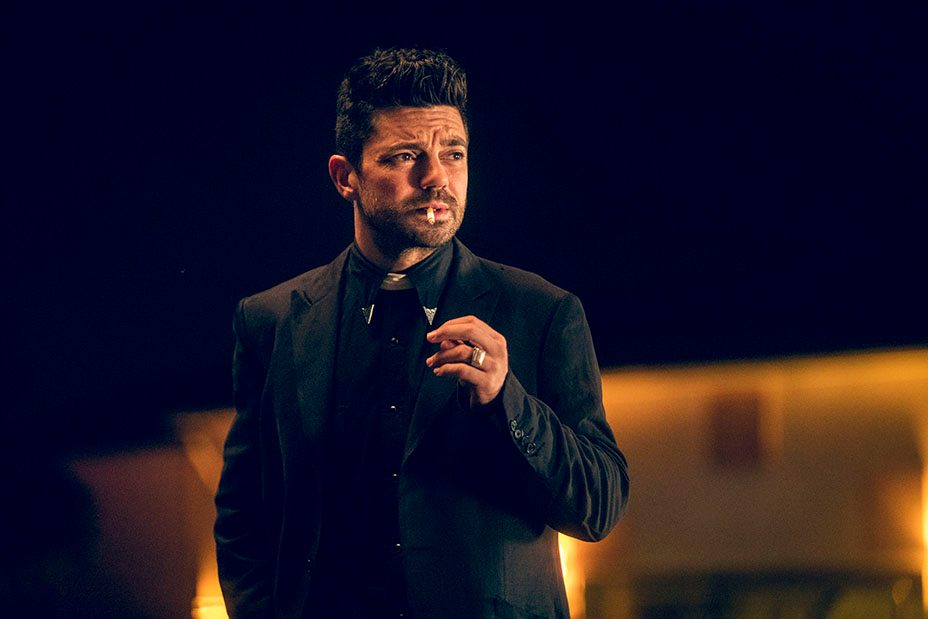
Visually, the series embraces a stark, almost gothic aesthetic that reinforces its thematic darkness. The use of muted colors, shadowy lighting, and symbolic set pieces creates an atmosphere where jokes feel earned rather than forced. Moreover, the narrative structure often subverts expectations—episodes may end on a cliffhanger that feels more tragic than comedic, only to resolve with a surprising twist of humor. These daring choices keep viewers on edge, constantly questioning whether the next laugh will be a cathartic release or a profound commentary.
Cultural Impact: Shaping the Future of Dark Comedy
Since its debut, Preacher Store has sparked conversations across social media, critical circles, and academic forums. Viewers praise its willingness to tackle taboo subjects while still delivering sharp, relatable humor. Critics note that the series sets a new benchmark for blending satire with genuine storytelling, influencing upcoming creators to experiment beyond conventional comedic formulas. As more shows attempt to mimic its balance of darkness and levity, the ripple effect promises a richer, more diverse landscape for dark comedy on television.
In sum, Preacher Store doesn’t just add another entry to the dark comedy genre—it reshapes it. By intertwining moral quandaries with clever humor, developing characters that embody both folly and depth, and daring to push visual and narrative boundaries, the series offers a fresh template for storytellers. Whether you’re a fan of biting satire or thoughtful drama, the show invites you to sit in the shadows, smile, and perhaps find a flicker of light.